A Nuanced View of Southern Africa and the World: ‘We Are in it Together’
Pitzer’s study abroad program in Botswana and South Africa equips students to live out intercultural understanding through homestays, language learning, and independent projects.

Students who study abroad in the Pitzer in Southern Africa program do more than sight-see—they pursue social change on an international scale.
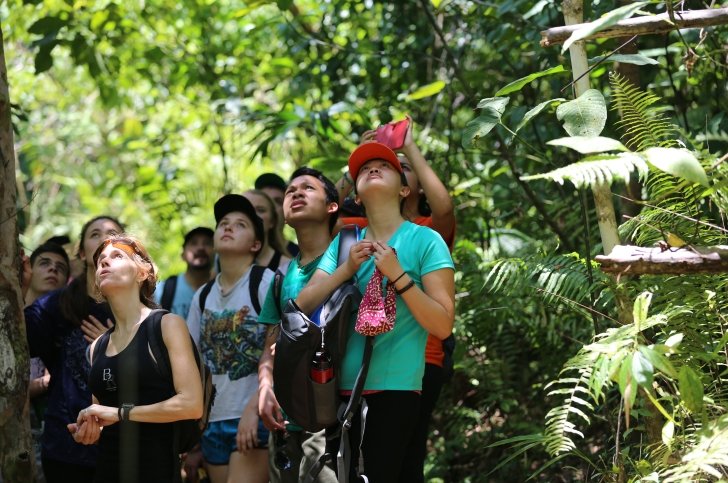
Students in the program experience Botswana and South Africa’s histories, politics, and cultures in daily life. A home in Botswana’s Manyana village becomes a classroom. A wildlife safari becomes a study of ecotourism’s environmental and economic impacts. Students also deconstruct the legacies of colonialism and apartheid in real time.
As the program director, Batsirai (“Batsi”) Chidzodzo supports students’ cultural immersion.
“It’s one of those non-traditional study abroad sites,” said Chidzodzo. “When students spend a semester with us, they leave a completely transformed individual. You see a lot of personal growth and development in terms of their appreciation of key issues that play out in Botswana and South Africa.”
About Program Director Batsi Chidzodzo
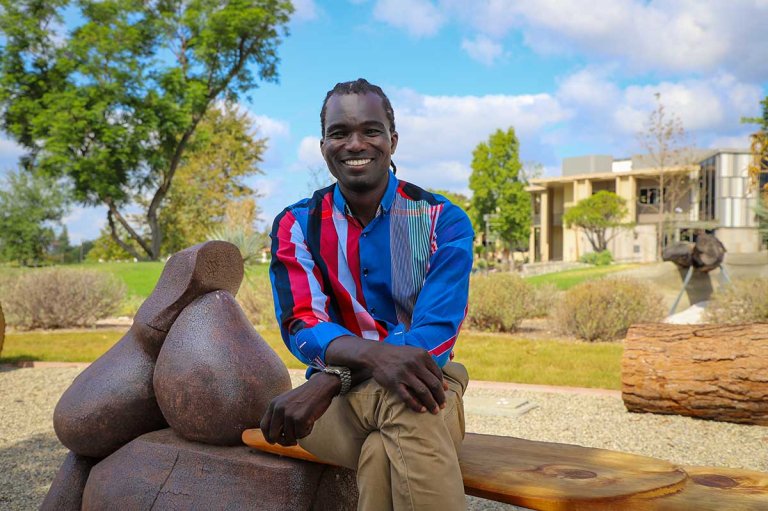
- Has supported Pitzer students studying abroad in Southern Africa for 31 years
- Graduated from the University of Zimbabwe and De Montfort University
- Conducts research about Southern Africa in relation to global political history
As it is with all of Pitzer’s study abroad directors, Chidzodzo provides for students’ needs and helps them feel comfortable in their new environment. From picking up students at the airport to writing a recommendation letter months after the program ends, he offers support at every step.
A native of Zimbabwe, Chidzodzo has worked with U.S. study abroad programs in Botswana, South Africa, Tanzania and Zimbabwe. He appreciates Pitzer’s personalized approach.
“Pitzer is miles, miles different from any other program,” said Chidzodzo. “I briefly left Pitzer and did another program. I love Pitzer so much, I left that program and came back.”
Chidzodzo first connected with Pitzer’s study abroad program when he was a University of Zimbabwe student. The relationships he built inspired him to join as an assistant language teacher and work his way up to being program director.
According to Chidzodzo, Pitzer in Southern Africa “provides opportunities that you would not get if you were going to spend your entire four years on campus.”
Pitzer in Southern Africa Highlights
- Homestays with host families
- Language learning in Setswana
- Independent study project
- Study trips exploring wildlife conservation, ecotourism, post-apartheid South Africa, and more
- Exploring sustainability and social responsibility at Botho University
- Pursuing justice at the University of the Witwatersrand’s Wits Centre for Diversity Studies
Chidzodzo considers the homestays with local families—who are co-educators in each Pitzer student’s abroad experience—as “the heart and soul of our program.” Along with learning Setswana, homestays help students integrate into the community and appreciate their cultural values more deeply.
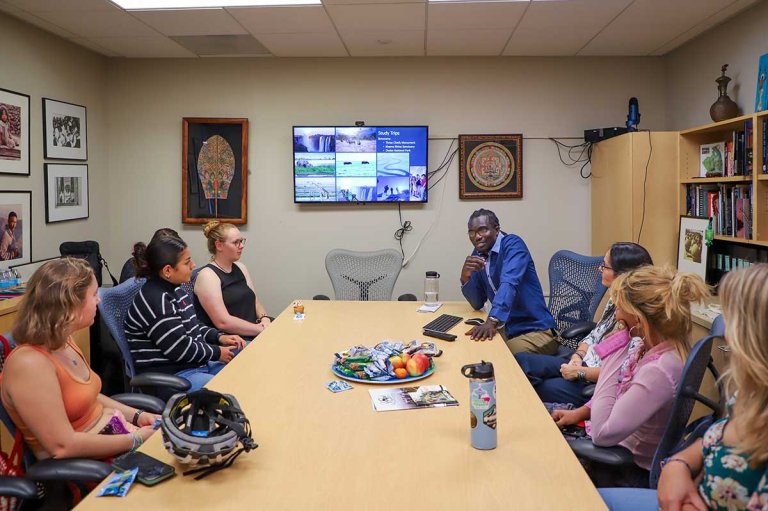
“Students integrate different perspectives that they get from their [host] siblings, their [host] parents, the professors, and invited guests,” said Chidzodzo.
Chidzodzo believes these viewpoints are critical for students who might later work for global institutions like the International Monetary Fund or the World Bank. Understanding Southern Africa adds nuance to international problems.
“You begin to provide precise input that works for those specific regions as opposed to this one-size-fits-all approach,” said Chidzodzo.
Intercultural Understanding in Practice
For their independent study projects, students have several options to exercise intercultural learning:
- Interning with a regional NGO
- Conducting research with a local professor
- Doing an apprenticeship with a local artist
Some projects even have the potential to receive prestigious fellowships. In spring 2024, Natasha Yen ’25 volunteered at the Little Rose Centre in Soweto, South Africa. Her experience inspired her to develop a youth empowerment and leadership program at the center with support from a Napier Award, which is supported by a partnership between the local Pilgrim Place senior community and The Claremont Colleges. Chidzodzo worked with Yen on her Napier application.
Yen described Pitzer in Southern Africa as “transformative, grounding me in local communities and daily life in Soweto.”

For Chidzodzo, what undergirds the program and Southern Africa at large is the concept of Ubuntu. He believes Ubuntu provides an inclusive alternative to individualism by addressing global problems as a collective.
“Essentially it means, ‘I am because of you,’” said Chidzodzo. “Because if you’re not well as a person, I am not well because you’re not well, and therefore we are in it together.”
News Information
Published
Author
Bridgette Ramirez
Organization
- Study Abroad and International Programs
News Type
News Topics
Share This
Related News
All News